
闯关东
China and India face considerable scope for cooperation in the field of AI: Indian venture capital veteran_我的网站

A |

China and India have considerable scope for cooperation in the field of artificial intelligence (AI), as their AI capabilities are complementary in many respects, a senior Indian investor told the Global Times in an exclusive interview.
There is considerable scope for AI cooperation in areas that address common global challenges, including healthcare, education, agriculture, climate resilience, industrial productivity and scientific research, always within the policy frameworks established by the respective governments and international perspectives on responsible and secure AI, Mahendra Swarup, founder of VG Capital and former president of the Indian Venture and Alternate Capital Association, told the Global Times on Wednesday.
AI is likely to become one of the defining technologies of this century. India's strengths lie in software development, engineering talent, digital public infrastructure and entrepreneurial innovation. China has developed significant capabilities in AI applications, hardware, manufacturing and large-scale deployment. "These capabilities are complementary in many respects," Swarup said.
The veteran on the front line of India's venture capital investment sector made the remarks amid improving bilateral ties and a certain level of liberalization of Chinese investments in India.
Chinese investors have historically contributed to the growth of several successful Indian companies, especially start-ups. While investment activity has been moderated by regulatory developments over the past few years, there has always been underlying interest in the Indian market because of its long-term fundamentals, Swarup said.
"If the recent improvement in bilateral relations leads to greater regulatory clarity and business confidence, the Chinese investors will once again evaluate opportunities in India, although the general sentiment is one of cautious optimism," said Swarup.
Amid positive momentum in bilateral relations, Swarup noted rising opportunities for entrepreneurs from the two countries to engage in practical cooperation.
There are several areas where entrepreneurs from India and China could potentially complement each other's strengths, subject to the regulatory frameworks of different sectors in both countries, the investor said, highlighting areas including healthcare technologies, clean energy, electric mobility, advanced manufacturing, climate technologies, industrial automation, logistics and supply-chain innovation.
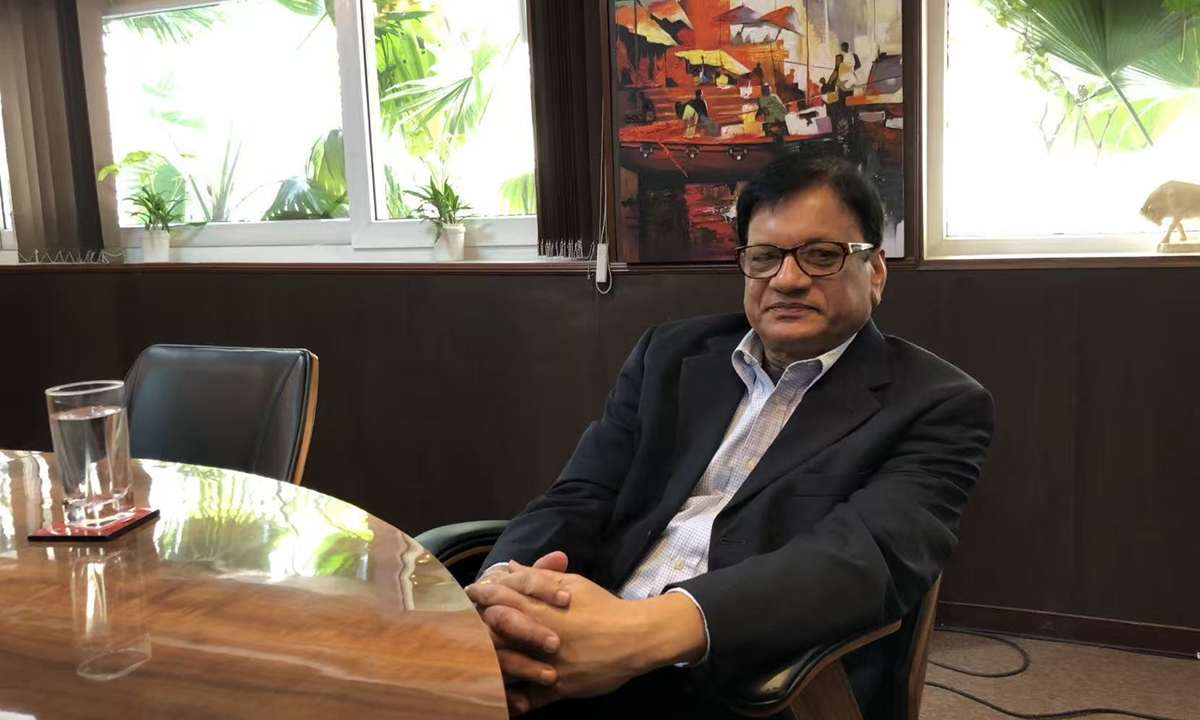
"In whichever sector the complementary strengths of both China and India can be brought together responsibly, they can create value not only for both countries but also for global markets," said Swarup.
India has recently shown signs of easing some long-standing restrictions on trade and investment with China, with Chinese experts saying that the move reflects the country's growing recognition of China's importance to its economic development, and a desire to create a more favorable environment for improving bilateral ties.
There has been a gradual policy adjustment, including easing restrictions on foreign direct investment (FDI) in e-commerce, allowing FDI from companies with Chinese ownership, The Hindu reported on August 1.
With India set to host a BRICS summit this year, Swarup also said that Indian and Chinese companies can work together to promote the interests of developing countries.
India and China are both major economies with significant experience in addressing the challenges of development at scale. Although each country has followed its own development path, there are areas where companies from both nations can contribute meaningfully to broader development across Asia, Africa and other emerging markets, Swarup noted.
There is considerable potential for collaboration in affordable healthcare, digital financial inclusion, renewable energy, agricultural technologies, education technology, infrastructure, supply-chain development and support for small and medium-sized enterprises. These are areas where scalable and affordable solutions can have a significant impact on improving livelihoods, the veteran said.
Partnerships that combine technology, entrepreneurship and long-term investment can help create solutions that are both commercially sustainable and socially impactful. "As two of the largest economies in the Global South, India and China have the opportunity to contribute positively to sustainable development through innovation, responsible investment and constructive commercial engagement," Swarup said.
。

B |

C | 明明跑完了42.195公里,却觉得成绩"不够好",甚至有些丢人,不好意思发朋友圈。就算有跑友问你成绩,你只是敷衍一句“安全完赛”。

D | 这种焦虑,你熟悉吗?其实"破三"从来不是大多数人的赛道,它只是极少数跑友的竞速游戏。数据不会骗人2025年中国田径协会发布的数据显示:全国马拉松跑进3小时的跑友一共只有21997人。同年全马完赛总人次是74.09万。算下来,破三的比例不到3%。换个更扎心的说法:每100个能跑完全马的人里,只有不到3个人能跑进3小时。而这100个人,已经是十几亿人里敢于站上起跑线的极少数了。如果把所有跑过步的人都算上,男性破三跑者占整个跑步人群的比例大约只有0.5%,女性更是低到0.05%。一千个跑步的人里,只有5个男性能破三;一万个女跑者里,只有5个能做到。再看看平均成绩:2025年全马总体平均完赛成绩是4小时06分。大多数人的真实水平,离3小时还差着一个小时。其实能跑四个多小时,不算慢,属于正常的水平。破三到底有多难?很多跑友觉得:"我只要足够努力,早晚能破三。"但现实没那么简单。破三意味着要以平均每公里4分15秒的速度,连续跑42.195公里。这个配速,很多人跑3公里都坚持不下来。有统计显示,70%的破三跑者月跑量在300公里以上。普通跑友月跑量100-200公里已经算勤奋了,300公里意味着每天平均跑10公里、几乎不休息。如果没有任何专业基础,普通跑者想破三,通常需要1到3年的系统训练。过了45岁,身体恢复能力下降,破三难度成倍增加。如果你没有破三,不是你不够努力,是这件事本来就不简单。焦虑从哪来?为什么现在人人都焦虑"破三"?因为社交媒体上晒出来的,永远是那些"大神"——北马4700人破三、无锡马破三率15.5%……但你忽略了一个事实:这些马拉松在挑选参赛选手的时候,基本都是破三优先!就算这样,北马4700人破三,占比也不过14.7%。站在北马赛道上的3.2万人里,依然有超过85%的人没跑进3小时。而那些跑4小时、5小时的人,他们不发朋友圈,不晒成绩。沉默的大多数被忽略了。于是你看到满屏的"破三",却看不到背后更多没破三的人。这种错觉,让你觉得"人人都在破三,只有我不行"。写在最后回到最开始的问题:你为什么要跑步?是为了健康?是为了快乐?还是仅仅为了一个"3小时"的数字?如果跑步让你焦虑、让你觉得自己"不够好",那它已经背离了初衷。跑不进3小时又怎样? 你依然完成了42.195公里,依然比那些从未站上起跑线的人勇敢得多。跑得久,比跑得快重要一万倍。你不是不够好,你只是被"破三"这两个字绑架了。评论区聊聊——你的全马成绩是多少?还在为破三焦虑吗?
Current article:http://jr0ok.ganweilingmukuai.shop/0i4/e08wil.html
Published on:04:15:24
 解读世界篮球新趋势 中国篮协多份数据报告同步发布
 冰雪盛宴,燃动全城!抚顺县三块石冰雪嘉年华即将启幕
 定好闹钟,2026杭州网球公开赛10:18开票!
 18岁女生租房半年后“消失”,房东上门催租发现屋内宠物粪便成堆,垃圾杂物遍地,拖欠各种费用4000余元,还遭女孩父母拉黑,已报警
 菜鸟驿站私改退货时间,承诺上门取件又推诿
 假名校教师设局 3巧合得逞骗2万新元
- ·Jaideep Ahlawat on Why Sequels Are Complex at Filmfare OTT Awards 2025 Press Conference
- ·苹果为库克举办卸任聚会,约 200 人出席
- ·据报道,由于反馈不佳,PlayStation 已重启《Horizon》多人衍生游戏的开发。
- ·100%夺冠定律!詹姆斯复刻4次夺冠配方,76人夺冠底色早已成型
- ·爱奇艺举办创作者大会,打出扶持“组合拳”共建多赢的创作者生态
- ·第十轮小胜上海海港 武汉三镇不败战绩领跑中超
- ·《Game of Thrones: War for Westeros》预告片公开,夜王坐上铁王座
- ·Patna News: एशिया पुरुष हॉकी खेल को लेकर लोगों में जोश हाई, महज दस मिनट में बुक हुए सभी मैचों के टिकट
- ·工信部:“十四五”期间,我国规模以上工业增加值年均增长5.9%
- ·熊猫31.5英寸2K 165Hz显示器上架!999元
- ·日产6吨 人工培育“见手青”走上百姓餐桌
- ·中国十大最拥挤的互联网公司:二七百度输给酒仙桥360
- ·华硕公布《鬼武者:剑之道》特别版 TUF Gaming Radeon RX 9070 XT 限量显卡
- ·克莱谈斯波:科尔对他赞不绝口 我也知道他的球队是要求极高的
- ·中国早稻产量连续6年稳定在560亿斤以上,中国早稻产量连续6年稳定在560亿斤以上
- ·暴雪宣布与网易续签:魔兽世界和其他游戏操作权延长至2023年
- ·2024东北亚(兴城)国际泳装展 13大专业展区同启 830家展商参展
- ·起售价降低!红旗HS3 PHEV劲为PLUS版上市 售14.18万起
- ·协同发展产业兴
- ·奥飞数据、天域半导体等新设创投基金
- ·波导股份:拟向激励对象44人授予限制性股票476万股
- ·Dehradun News: खेल महाकुंभ में सीएम, सांसद व विधायक के नाम पर होंगी ट्रॉफी, विजेताओं को मिलेगा ये इनाम
- ·抖音电商私自退款抽纸订单我要求赔偿
- ·太压节奏!范弗里特半场8中2仅拿5分1板5助1断 2次失误
- ·《Legend of the White Dragon》评测
- ·晚潮|浪花里的夏日情书
- ·捷豹路虎砍开支保揽胜 卫士换代被按暂停键
- ·中国氢弹之父余敏,享年93岁。
- ·2026乒超雄安站男团积分排名落定,积分循环赛正式开战
- ·英兰妮:亲家庭做法是招聘和留住人才的关键
- ·受台风影响 浙江宁波机场取消9月14日全部航班
- ·山东为失能老年人发放养老服务消费券超160万张